운영 · 3 분 분량
Private-label and wholesale sellers need different FBA workflows
Private-label sellers optimize replenishment depth. Wholesale and arbitrage sellers optimize lot control, buy decisions, and fast recovery.
작성: Kenderson Tripaldi · May 9, 2026
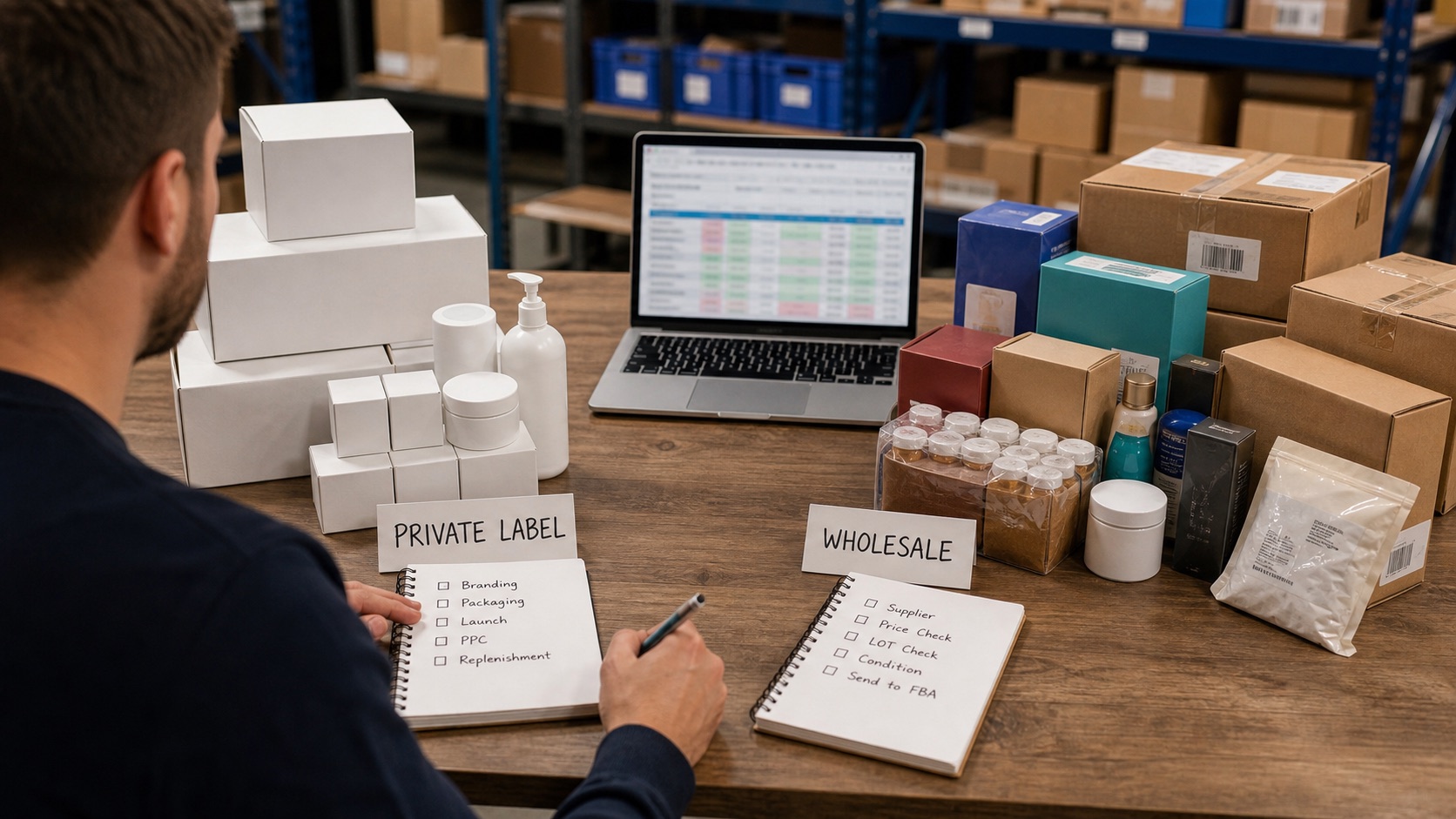
Private-label and wholesale sellers both use FBA, but their operating problems are not identical. Pricing, replenishment, claims, and warehouse workflows should reflect the model.
Private-label workflow
Private-label sellers usually control the product, supplier, packaging, and reorder path. Their biggest risk is planning depth: too much inventory creates storage and aged-inventory pressure; too little inventory creates stockouts and low-inventory exposure.
The workflow should emphasize demand planning, inbound timing, size-tier control, listing quality, and supplier packaging. Reimbursements matter, but the larger prize is preventing structural margin drift across a stable catalog.
Wholesale and arbitrage workflow
Wholesale and arbitrage sellers often operate by lot. They may not be able to reorder the same SKU at the same cost. Their biggest risk is buying a lot whose true FBA economics are worse than expected after placement, prep, storage, returns, and reimbursement leakage.
The workflow should emphasize landed-cost modeling before purchase, FNSKU-level cost basis, fast inbound processing, stranded inventory recovery, and claim filing while evidence is fresh.
Shared controls
Both models need settlement reconciliation, box compliance, prep accuracy, and reimbursement queues. The difference is priority. A private-label team should spend more time on replenishment health. A wholesale team should spend more time on lot profitability and exception recovery.
The wrong software workflow makes every seller look like the same seller. Good operations preserve the differences.
Different metrics should lead the dashboard
A private-label dashboard should lead with days of supply, inbound timing, contribution margin, fee drift, listing quality, and supplier packaging changes. Those metrics reflect a catalog the seller expects to own over time. The team is trying to protect a repeatable margin engine.
A wholesale or arbitrage dashboard should lead with lot margin, buy cost, sell-through by lot, FNSKU-level storage age, stranded recovery, and claim deadlines. Those sellers may not get the same product again at the same cost, so the operating goal is to protect each buy from hidden leakage.
Different workflows should trigger reviews
Private-label reviews should trigger when forecast accuracy changes, packaging changes, a size-tier audit finds drift, or a replenishment plan risks stockout. Wholesale reviews should trigger when a lot is purchased, received, stranded, priced below plan, or nearing an evidence deadline.
The shared FBA platform creates a temptation to standardize everything. Resist that where the business model differs. The best process keeps common controls for fees, boxes, and settlements while letting the workflow reflect how the seller actually makes money.
Different evidence matters too
Private-label sellers should preserve supplier specs, packaging revisions, inspection photos, and size-tier evidence because they control the product and can push changes upstream. Wholesale sellers should preserve lot invoices, FNSKU mapping, received quantities, and condition evidence because the buy may not repeat and reimbursement valuation depends on the specific lot.
This changes how teams prepare claims and audits. A private-label claim often proves the product was measured or handled incorrectly. A wholesale claim often proves which units, cost basis, and shipment record were affected.
Shared reviews should still compare models
If a team sells both private-label and wholesale, review the portfolios separately before combining results. Blended margin can hide a stable private-label catalog subsidizing messy wholesale lots, or a few strong wholesale buys hiding weak private-label replenishment. Separate workflows make the combined business easier to manage, not harder. They also make it easier to choose the next operational hire, automation, or warehouse control. The bottleneck in one model may be forecasting, while the bottleneck in the other may be evidence collection or lot-level receiving. Name the bottleneck before buying tooling. A workflow built for the wrong model will make the team faster at the wrong work.
계속 읽기
관련 게시글

운영 · 3 분 분량
The weekly FBA recovery rhythm that protects margin
A simple weekly cadence keeps fee anomalies, stranded inventory, reimbursements, returns, and removals from becoming month-end surprises.
운영 · 3 분 분량
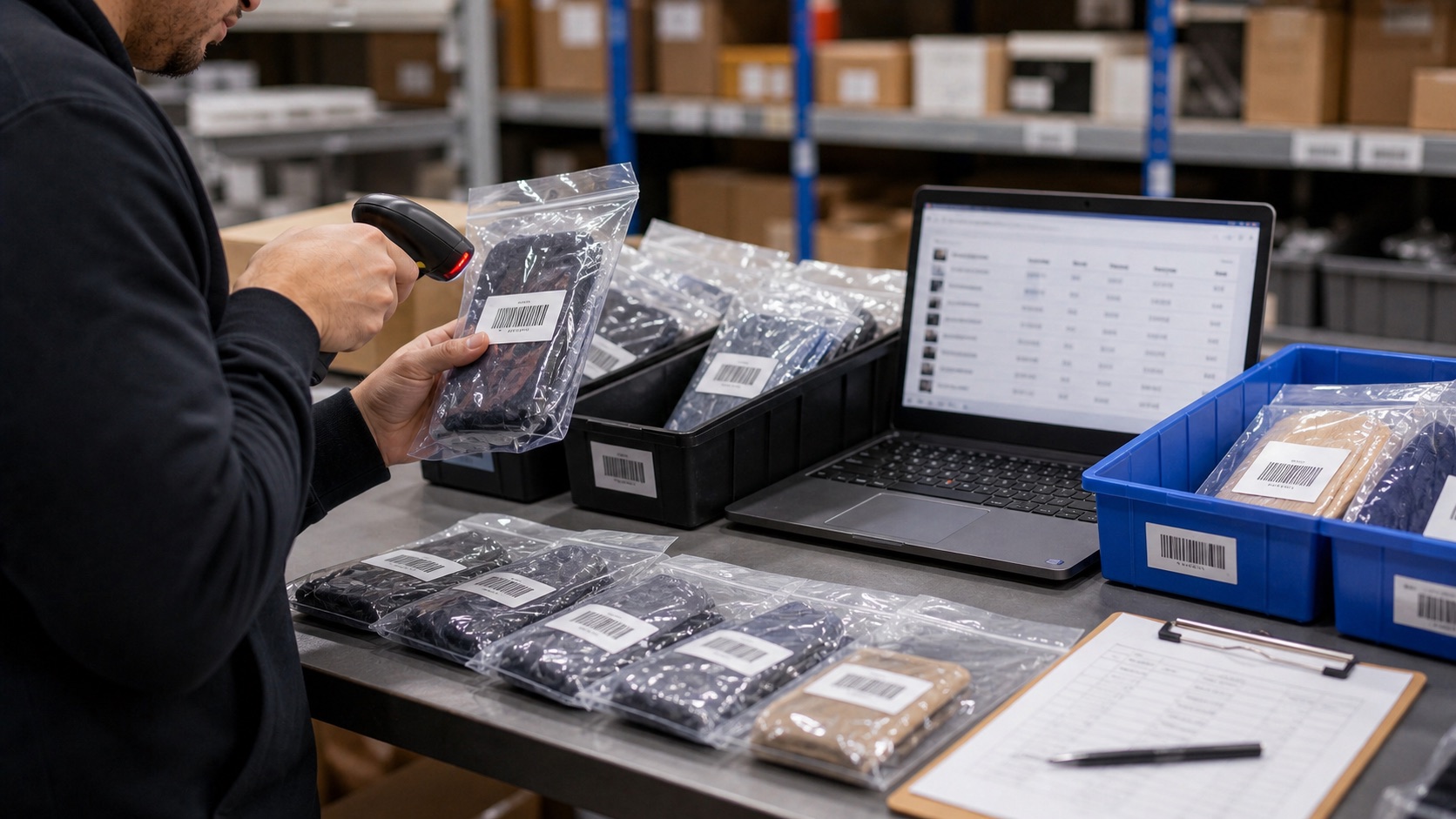
FNSKU-level operations beat ASIN-level guessing
Wholesale and private-label sellers need FNSKU-level control for fees, stock, prep, returns, and reimbursements. ASIN averages hide too much.

운영 · 3 분 분량
Settlement reconciliation for FBA operators
Settlement reconciliation should explain margin movement, not just balance deposits. Match orders, fees, refunds, reimbursements, and adjustments weekly.